Japan’s fair trade regulator searches the four biggest brewers over beer pricing
Asahi, Kirin, Sapporo and Suntory hold more than 90% of Japan’s beer market. The JFTC is examining price rises since October 2022, but no charge has been reported.
 By
Owen Caldwell
By
Owen Caldwell
Officials from Japan’s Fair Trade Commission (JFTC) searched the premises of the country’s four largest brewers on Wednesday, 7 October, as part of an inquiry into whether the companies coordinated increases in the price of beer. Asahi, Kirin, Sapporo and Suntory each confirmed the searches to BBC News and pledged to cooperate. Nothing has been proven, and no charge has been reported: for now the case rests on suspicion that the anti-monopoly law was broken.
In brief
- Asahi, Kirin, Sapporo and Suntory each confirmed the searches to BBC News and pledged to cooperate.
- According to the Japan Times, as cited by the BBC, the investigation centres on the increases announced in October 2022 and April last year, meaning April 2025.
- Both cases, as reported so far, are at the investigation stage.
The weight of the four names explains the attention. The Guardian reports that together they control more than 90% of the domestic market, a figure that VnExpress, relaying AFP, rounds to about 90%. When four firms supply almost every can and bottle sold, even a loose understanding on pricing could matter to the shopper.
What the regulator has said, and what it has not
The commission’s secretary general, Hiroo Iwanari, did not dispute that a probe was running but offered no detail. “I do not deny that an investigation is being conducted today, but I’d like to refrain from commenting on the details as a preliminary review is underway,” he said, in remarks local media passed on to the BBC.
The Guardian describes the searches as the first investigation of this kind to touch the food and beverage industry. AFP’s anonymous source, quoted by VnExpress, told the agency that the inspections concern allegations of a wholesale beer pricing cartel. That source also said representatives of the four companies are believed to have met from time to time over several years to talk about prices and when to raise them. As the account comes from one unnamed person, it should be read as an allegation and not as an established fact.
Japanese media, citing their own sources, add that sales managers and other executives are suspected of secret meetings held over a long period. The reported aim was to line up the timing and the size of retail price rises, which ranged from a few yen to a few dozen yen each time. Relaying reporting by the Mainichi Shimbun, The Guardian says the commission is thought to have opened the case because of the effect a cartel could have had on prices as wholesalers pass beer on to supermarkets, convenience stores, bars and restaurants, and that the regulator suspects the brewers sidestepped normal price competition so that all of them stayed profitable.
The price rises in question
According to the Japan Times, as cited by the BBC, the investigation centres on the increases announced in October 2022 and April last year, meaning April 2025. The Guardian adds that the four brewers moved their prices at the same moment on several occasions and that there was another round in October 2023. In public, all four blamed dearer raw materials, energy, transport and distribution. Whether those explanations were the whole story is exactly what the commission is expected to test.
A shrinking market that still moves a lot of money
Drinking has been falling in Japan for decades, which The Guardian ties to a shrinking population and changing habits among younger adults. Even so, alcohol sales still reached ¥3.8 trillion (about $24.3 billion) in 2024. Beer made up 30% of that total, and happoshu and third-category beer, two styles that contain little or no malt, together took a further 11.9%.
| Company | Statement reported by the BBC |
|---|---|
| Asahi | Says it is subject to a JFTC investigation and will cooperate fully. |
| Kirin | Says its subsidiary Kirin Brewery was searched on suspicion of an Antimonopoly Act violation; the financial impact is not yet determined, and it will disclose material developments promptly. |
| Sapporo | Confirmed the search and said it would cooperate with the regulator. |
| Suntory | Confirmed an on-site inspection tied to a possible violation of the Antimonopoly Act involving domestic alcohol trade practices, and apologised for any concern caused. |
Markets reacted quickly. The BBC reports that shares in Asahi, Kirin and Sapporo fell once news of the investigation emerged on Wednesday, while Suntory’s beer business is not publicly listed. Kirin Holdings told the BBC it takes the matter “very seriously”, and Suntory offered an apology to customers, business partners and other stakeholders.
What could come next
Japanese media quoted sources saying the commission views the case as particularly serious because of its possible consequences for consumers, and that the inquiry could lead to a criminal complaint. That remains a possibility only. Reports that drinkers may have paid too much are likewise unproven.
The beer searches come after another cartel inquiry by the same regulator. The BBC places a probe into Japanese ice cream makers, including Meiji and Ezaki Glico, in June, and The Guardian says six manufacturers were raided about three months before the brewers. VnExpress adds that those firms are alleged to have coordinated price rises for years beyond what a jump in ingredient costs could justify. Both cases, as reported so far, are at the investigation stage.
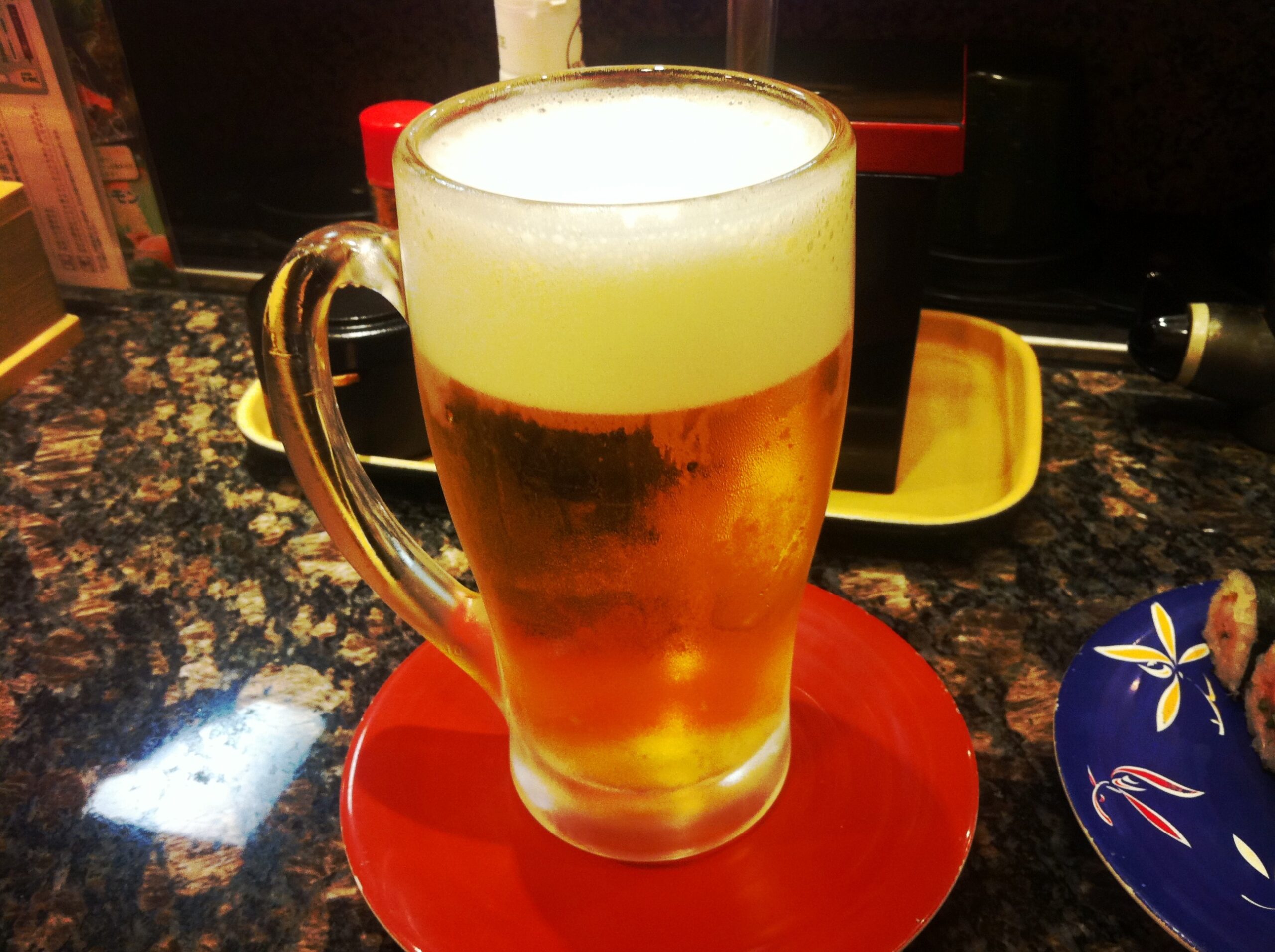
Featured image. Source: Wikimedia Commons. Credit: nesnad. License: CC BY 3.0.