UK wild birds at their lowest level on record, seabirds hit hardest
Seabirds and farmland species have suffered most in five years, yet red kites, firecrests and cranes are bucking a decline that now touches 132 species.
 By
Naomi Fletcher
By
Naomi Fletcher
In brief
- Government-commissioned figures cover 132 native breeding species tracked since 1970.
- Turtle doves have more than halved in five years, the steepest recent fall.
- Farmland birds are down 63% since 1970, which Defra links to post-1950s farming change.
- Red kites rose 48% and firecrests 300% since 2019.
Britain’s wild birds have never been scarcer since counting started. According to figures compiled by nature conservation bodies for the government and reported by The Guardian, average populations of native breeding species dropped by about a fifth between 1970 and 2025, and almost half of all species are now shrinking. Prof Richard Gregory, head of monitoring at the RSPB, described the results as “shocking and sobering”.
The picture is darker in England, where 55% of monitored species have gone down. Gregory framed the data as a wider test: “Birds are indicators of the way we’re looking after the countryside and the world around us,” he said.
The species falling fastest
Some familiar birds have lost ground at a striking pace in only a handful of years. The turtle dove stands out, but swifts, whose return many people treat as the start of summer, and bullfinches are also losing a sizeable share of their numbers every year.
| Species | Recent trend |
|---|---|
| Turtle dove | More than halved in five years |
| Tree sparrow, wood warbler, capercaillie | Next largest average annual decreases, 2019 to 2024 |
| Swift | Down about 25% in five years, nearly 6% a year UK-wide |
| Bullfinch | Similar national rate; about 11% a year in England |
Seabirds and farmland birds bear the brunt
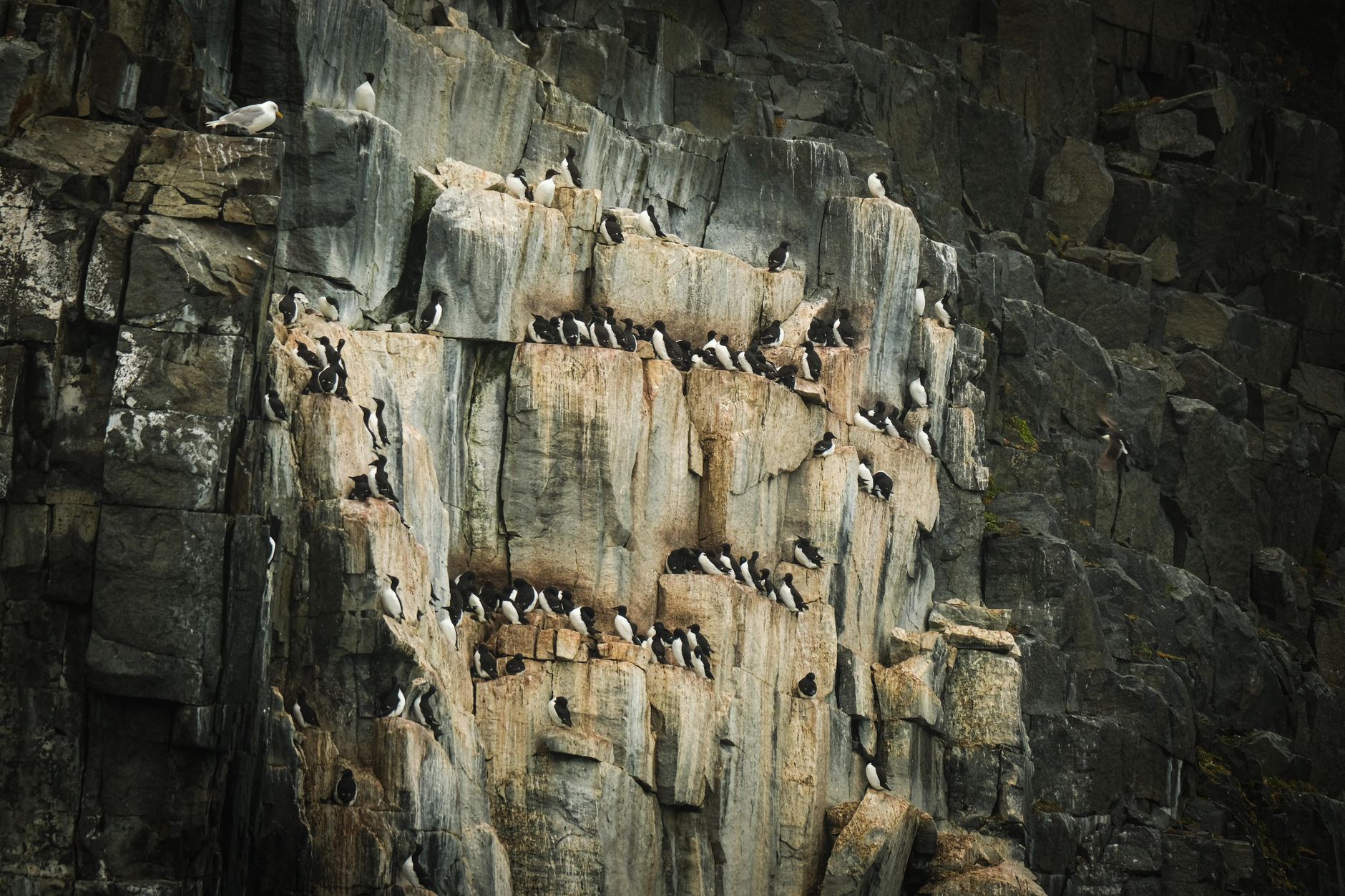
Two groups have taken the heaviest losses lately. Seabirds are the worst affected, having lost more than a fifth of their numbers over five years. Dr Ailidh Barnes of the British Trust for Ornithology, who helps compile the index, said avian flu had devastated species such as Arctic skuas and terns. In her account, the virus moved rapidly through colonies because the birds breed packed tightly together, with a different species appearing to suffer each year. She also explained why the damage is showing up only now:

“There’s a lag of data collection and then data analysis, and now we’re actually seeing that effect coming through,”
Dr Ailidh Barnes, British Trust for Ornithology
Farmland birds tell a longer story. Their populations have shrunk by 63% since 1970, and by 12% since 2020 alone. The Department for Environment, Food and Rural Affairs (Defra) traces the long-run decline to the way farming has changed since the 1950s: mixed holdings combining crops and livestock have disappeared, pesticide and fertiliser use has grown, and hedgerows have been grubbed out.
A Defra spokesperson pointed to several pressures on wild birds, avian flu among them. The department cited its support for farmers who manage land in ways that help farmland species, and its work with fishers to stop seabirds being caught accidentally.
The birds bucking the trend
Not every line on the chart points down. Gregory presented the following recoveries as evidence that targeted conservation can work:
- Red kite: up 48% since 2019.
- Firecrest: up 300% over the same period.
- Crane: back to 87 breeding pairs nationally after returning from extinction in the UK.
These gains apply to a few species with specific histories, so they do not offset the losses among seabirds or farmland birds. Gregory’s own reading of them was blunt: “We know the main drivers of change and we can bring about recovery, but we need to massively scale up our conservation intervention,” he said.
Photo: Francesco Ungaro / Pexels