Jackdaw gas gets the green light, but bills won’t fall
Ministers say gas from the field will not lower household bills, even as scientists dispute how much the project will add to global emissions.
 By
Owen Caldwell
In brief
- Jackdaw gained consent to begin production on Wednesday, about four years and six energy secretaries after its initial approval.
- The field sits 150 miles east of Aberdeen and is run by Adura, a joint venture between Shell and Equinor.
- A legal challenge from Greenpeace and Uplift forced Jackdaw and Rosebank to resubmit applications with extra climate impact data.
- Jackdaw’s gas could release between 23.6m and 35.8m tonnes of CO2 equivalent over its 11-year operational life.
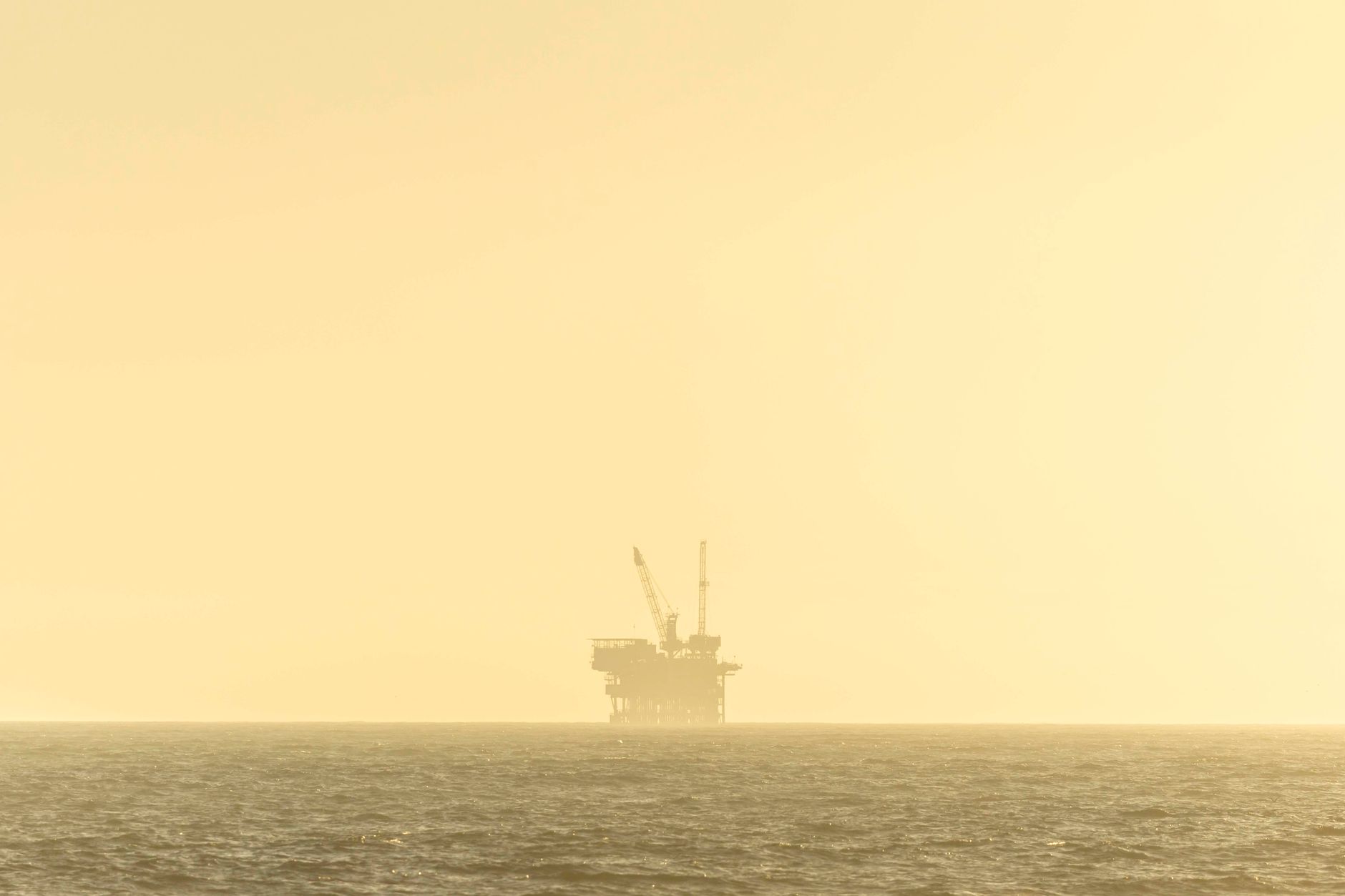
The Jackdaw gasfield has been given consent to begin production on Wednesday, roughly four years and six energy secretaries after the project first received its green light. The field lies 150 miles east of Aberdeen in the North Sea.
The approval does not breach Labour’s manifesto pledge to stop issuing new exploration licences, since the party committed to honour licences granted before it took office. Jackdaw received its licence in 2022, while the larger Rosebank oilfield west of Shetland followed in 2023. A licence only grants permission to explore; separate consent is required before extraction can start, and that is what has now been granted for Jackdaw.
A legal fight that delayed both fields
Both fields were halted early last year after a legal challenge brought by Greenpeace and Uplift forced the companies involved to resubmit their applications with added detail on the climate impact of the fuel produced. Jackdaw is owned and operated by Adura, a joint venture combining Shell with Equinor, Norway’s state oil company. Adura also hopes to develop Rosebank, working alongside Ithaca Energy, with a decision on Rosebank’s renewed application for consent expected soon.
Andy Burnham, the prime minister, framed the decision this way: “The question isn’t whether Britain will still be using oil and gas, the question is where does it come from.”

Why household bills are unlikely to fall
UK household bills are tied to the price of gas on the domestic wholesale market, which is itself shaped by international conditions rather than by how much gas Britain produces at home. Disruptions to global supply, including the loss of Russian gas flows to Europe and interruptions to exports from the Gulf, have pushed prices up by far more than the limited volumes from Jackdaw could offset. Labour has cut VAT on electricity bills from this month until next March, and ministers are understood to be preparing a multibillion-pound package of support for low-income households at next week’s budget.
Weighing the climate arguments
Gas extracted from Jackdaw could release between 23.6m and 35.8m tonnes of CO2 equivalent over its 11-year operational life. The Committee on Climate Change (CCC) has said the carbon impact of new North Sea fields is “not clear cut”. Emissions directly tied to extraction and transport, known as scope 1 and 2 emissions, make up about 3% of the UK total; the CCC notes that, by some estimates, these emissions run as much as four times lower than those linked to fossil gas imported from the United States and the Gulf.
In 2024, the CCC said new fossil fuel developments would have a minimal impact on UK carbon budgets, but it warned that if other countries followed the UK’s example, the cumulative effect could create a global oversupply that threatens international climate targets. The picture it described is not static: in 2025, China’s crude oil imports reached a record 11 million barrels a day, yet the country’s emissions kept falling as it built its crude stockpiles to a record 1.4 billion barrels.
Chris Stark, the former chief executive of the Committee on Climate Change, has argued the debate over new licences carries a cost that goes beyond the fields themselves: “It has sucked all the oxygen out of the debate around what to do about climate change,” he said, adding, “It means we haven’t got the political capital to deploy on the heat pump story, or the electric vehicle story. That’s where the action needs to be.”
- The case for: Offshore Energies UK has told the government that approving both Jackdaw and Rosebank could bring £1.4bn in tax revenue by 2029, rising to £3.8bn by 2034, while supporting a peak of more than 3,500 construction jobs and 880 longer-term posts paying an average of £85,850.
- The case against: Green groups reject those figures as overstated and argue the approval undermines the UK’s credibility on climate leadership.
John Gummer, who chaired the Committee on Climate Change in 2022, argued at the time that ending UK exploration would send a clear signal to investors and consumers while strengthening Britain’s diplomatic efforts to push climate ambition internationally. The North Sea itself is widely described as an ageing hydrocarbon basin now in terminal decline, a backdrop that frames Jackdaw’s approval less as the start of a new era than as one of the final chapters of a mature field reaching the end of its production life, according to Guardian reporting.
Photo: Stephen Leonardi / Pexels