Lula’s comeback after a first-round defeat: 4.4 million votes and a rebuff to Trump
An 80-year-old incumbent who trailed in round one beat Flávio Bolsonaro by 4.4 million votes, and The Guardian argues the result reaches far beyond Brazil.
 By
Owen Caldwell
In brief
- Lula is the first candidate to win a Brazilian presidential run-off after finishing second in the first round.
- Nearly 5 million more people voted in the second round than in the first.
- Flávio Bolsonaro has refused to concede, and the White House has stayed silent.
- The Guardian says Lula’s win matters for labour rights, Indigenous communities and the Amazon.
Losing the first round is usually a bad omen. Luiz Inácio Lula da Silva turned it into a launchpad. In an editorial published on 26 October 2026, The Guardian describes the 80-year-old incumbent as the first candidate to win a Brazilian presidential run-off after finishing second in the opening round.
How a first-round loser changed course
His opponent was Flávio Bolsonaro, a 45-year-old senator. Lula began the campaign by setting his life story and record against that of a rival the editorial calls controversy-prone. Voters, however, were asking about something else: economic insecurity, rising prices and weak public services.
According to the editorial, Lula reversed course in the second round. He promised immediate relief from everyday costs and debt, including to the growing number of self-employed voters whom Bolsonaro had been courting. Mobilisation did the rest. The run-off campaign saw student protests, mass demonstrations and a WhatsApp channel, “Lula’s Army”, with 10 million members.
A bigger turnout and a wider margin
The scale of the win is clearest against earlier benchmarks.
A defeat that Bolsonaro will not accept
Flávio Bolsonaro has refused to concede, which The Guardian says follows his father’s playbook. In 2022 Jair Bolsonaro, then president, also claimed fraud, and his attempted coup later saw him jailed for 27 years.

Defeat also removed a potential presidential shield from allegations of corruption and money laundering that Flávio Bolsonaro faces. His term as senator expires in February.
A rebuff to Trump and the regional right
The editorial argues that Donald Trump is the biggest loser after the Bolsonaro family. Its main points:
- Lula’s win broke a run of seven rightwing presidential victories across Latin America, an advance for which Trump had claimed credit.
- Rightwing leaders in Chile, Paraguay and Peru congratulated Lula, while the White House stayed silent.
- Trump had tried to use tariffs to pressure Brazil over the prosecution of the elder Bolsonaro and over court actions against American tech companies. The Guardian says this handed Lula a winning argument about Brazilian sovereignty.
What is at stake at home and abroad
The editorial does not present the result as a clean slate. Brazil remains divided, and a rightwing Congress is ready to obstruct Lula, particularly on the environment. The Guardian nonetheless points to his record as a former trade unionist who founded the Workers’ party, and says few are better placed to negotiate.
In its view, his victory provides an elected counterweight that matters for labour rights, public services, Indigenous communities and global climate policy, and it argues the result saved the Amazon from irreparable destruction. Whether governing can deliver secure livelihoods and strong state provision, the editorial adds, is a question the next four years in Brazil may answer.
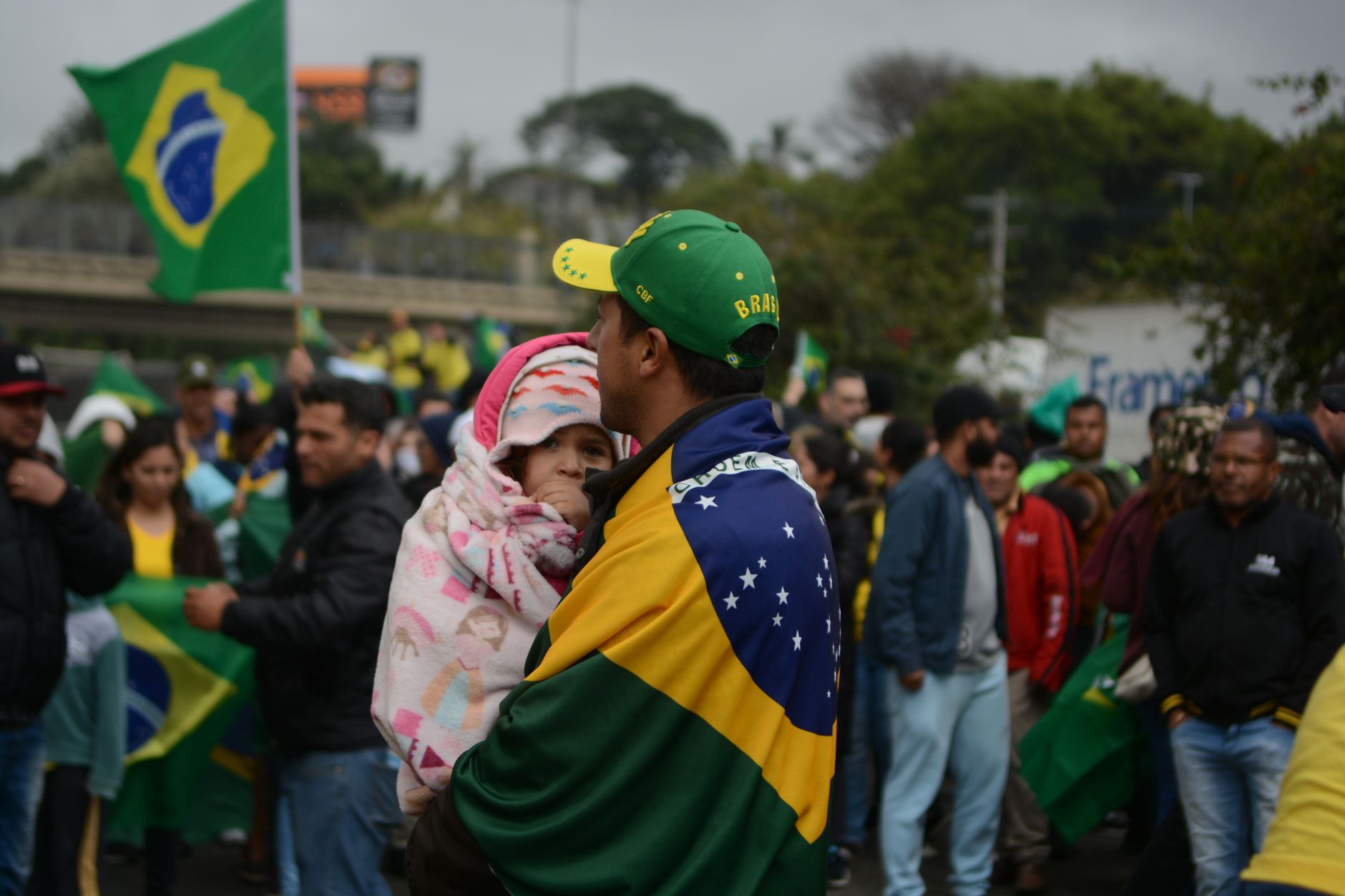
Photo: Joel Santos / Pexels