Kenya reports first Ebola death in man back from the DRC
A Kenyan who lived seven years in the DRC died of Bundibugyo virus disease in Nairobi; 28 contacts and a flight’s passengers are being traced.
 By
Desmond Hallam
By
Desmond Hallam
Kenya has reported its first Ebola death, the country’s health minister announced on Tuesday 6 October 2026. According to The Guardian, the victim was a Kenyan national who had been based in the Democratic Republic of the Congo (DRC) and who died after coming back. Eastleigh Voice says the Ministry of Health classed it as the first imported case of Bundibugyo virus disease in the country, and the BBC, in a report carried by Yahoo News, adds that Ebola had never before been confirmed in Kenya.
In brief
- According to The Guardian , the victim was a Kenyan national who had been based in the Democratic Republic of the Congo (DRC) and who died after coming back.
- The numbers come from the 6 October briefing and may have changed since.
- Until then, the only confirmed positive result in Kenya is the case announced on 6 October.
A month of illness, then a flight to Nairobi
Health Cabinet Secretary Aden Duale told reporters that the man had spent seven years in the DRC and fell ill about a month before his death. After treatment at several hospitals there, he travelled overland to Kampala, the Ugandan capital, and flew from there to Nairobi on Saturday 3 October, the Guardian reports.
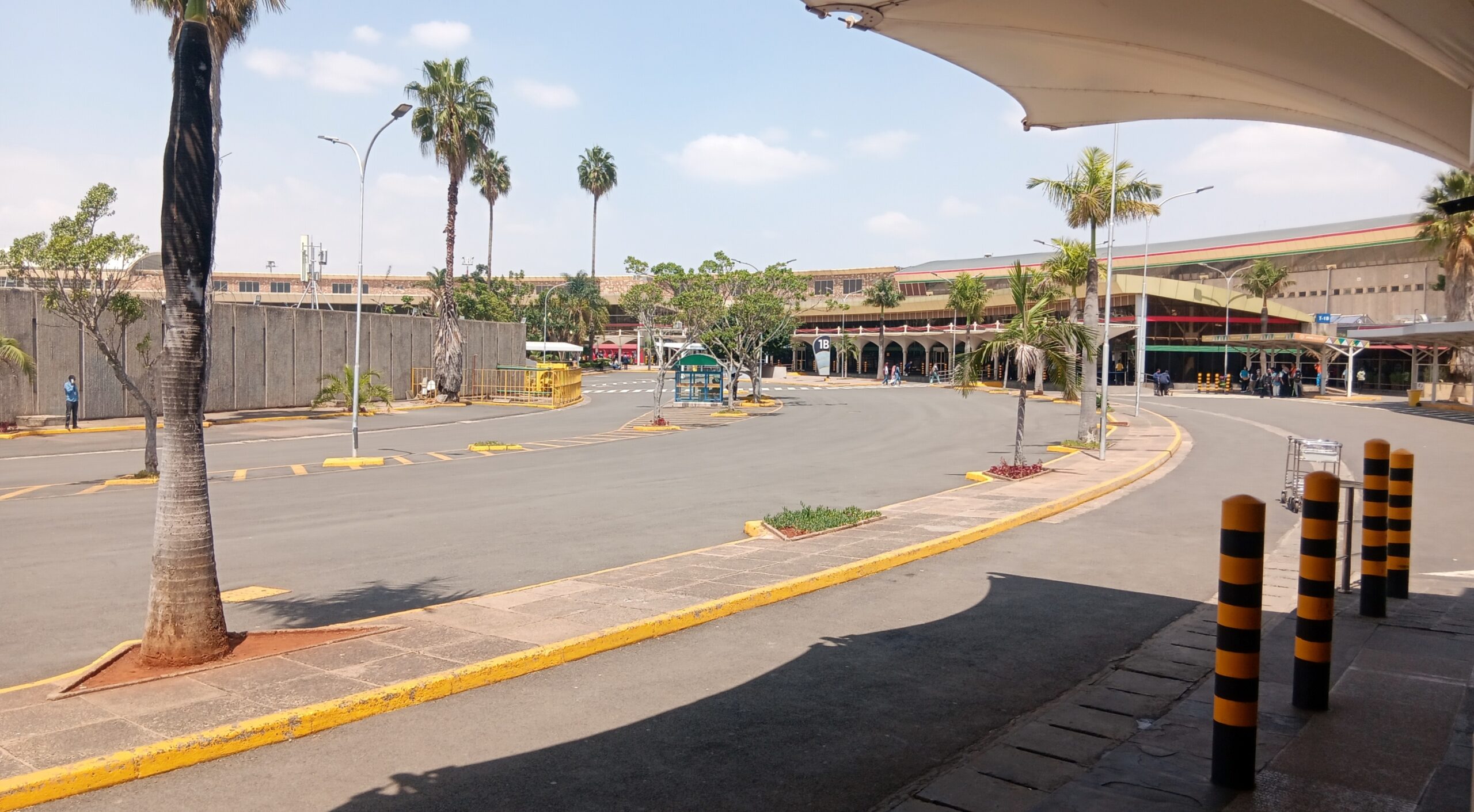
Eastleigh Voice, which carried the ministry’s detailed timeline, says he went through the standard public health check at Jomo Kenyatta International Airport at 1:10 pm and then passed immigration. A relative and a friend took him straight to Nairobi Hospital, where he was first placed alone in a room in the accident and emergency area. He was later moved to the hospital’s East Wing isolation facility, a unit the ministry says dates from the COVID-19 response, with intensive care, a high dependency ward and over 145 beds.
In isolation he developed fever, chills, severe fatigue, weakness, muscle pain, a painful sore throat and skin bleeding where he had received injections, according to Duale. Doctors suspected a viral haemorrhagic fever from his symptoms and travel history and sent samples for testing. Both the National Virology Reference Laboratory and the Kenya Medical Research Institute (KEMRI) found Ebola Bundibugyo virus, the ministry said.
The patient received supportive treatment and died at around 11:30 pm (20:30 GMT) on Monday 5 October. Duale said a burial in line with public health safety protocols was planned for later on Tuesday.
Who is being traced
The minister told reporters that officials had listed 28 contacts, among them relatives and health workers, and that only one test had so far come back positive, the one announced that day. Authorities are also following up with 23 passengers and four crew members from the same flight, and Duale said quarantine arrangements were ready for people considered at risk. The numbers come from the 6 October briefing and may have changed since.
The ministry also gave a snapshot of national preparedness as of 6 October: 52,584 travellers screened since the outbreak began in May, 267 samples tested across five laboratories, and 4,971 health workers trained in Ebola prevention and management. Kenya has notified the World Health Organization, whose country representative attended the briefing, and has told the public to wash hands often, avoid close contact with sick people arriving from countries with active transmission and call the toll-free line 719.
I wish to assure the public not to panic, as all systems are in place to mitigate the spread of the disease.
Aden Duale, Kenya’s health minister, quoted by The Guardian
An outbreak that is still growing in the DRC
The Kenyan case comes from an outbreak the DRC declared in mid-May, its 17th, according to the Guardian. As of 2 October, 4,082 people had died out of 8,463 confirmed cases, the Guardian says. The BBC gives the WHO count as 4,114 deaths among 8,544 cases, which makes it the largest ever recorded in the country where Ebola was first identified and, in the BBC’s description, the second most deadly outbreak known. It is caused by the Bundibugyo species, a relatively rare one for which no vaccine or treatment has been approved, although four vaccines are in development and human trials of one began in July.
The outbreak began in Ituri province in the north east and has since reached seven provinces. The Guardian notes that armed clashes, violence and a severe shortage of resources have hampered the response. On Monday 5 October, the medical charity Médecins Sans Frontières (MSF) warned of an alarming surge in North Kivu, the province bordering Ituri, which it said now accounts for nearly 40% of newly confirmed cases nationwide since early September. MSF believes the real toll may be higher because surveillance and testing have gaps.
Neighbouring Uganda reported 20 cases and two deaths linked to this outbreak before the WHO declared it free of the disease in August, the Guardian says. Since then, all known cases had been in the DRC until the Kenyan death.
What remains unclear
The reporting does not say how the man became infected, and the sources do not show that anyone else has contracted the virus. What matters next is the follow-up of the 28 contacts and of the people on the flight, and whether any further test results are announced. Until then, the only confirmed positive result in Kenya is the case announced on 6 October.
Featured image. Source: Wikimedia Commons. Credit: Bahnfrend. License: CC BY-SA 4.0.