Transportation Department touts $1,300 savings as groups sue over looser fuel rules
Washington lowered the 2031 fleet target to 34.9 mpg. Five groups have asked an appeals court to review the change, arguing drivers will spend more on fuel.
 By
Owen Caldwell
By
Owen Caldwell
Five environmental and consumer organisations have asked a federal appeals court to review the Transportation Department’s decision to lower fuel economy requirements for new vehicles. They contend that less efficient cars will burn more gasoline and cost their owners more to run. The department, for its part, says the change will make new vehicles cheaper to buy.
In brief
- They contend that less efficient cars will burn more gasoline and cost their owners more to run.
- The Transportation Department presents the change as a saving for buyers.
- They do not measure the effect of the revised standard, which the court will now be asked to examine.
The petition for review was filed on Friday, October 2, 2026, with the U.S. Court of Appeals. It names Transportation Secretary Sean Duffy and Jonathan Morrison, administrator of the National Highway Traffic Safety Administration (NHTSA), the agency that sets the Corporate Average Fuel Economy (CAFE) standards. Public Citizen, the Sierra Club, the Environmental Defense Fund, the Conservation Law Foundation and the Center for Biological Diversity are the petitioners. According to Electrek, the petition is brief for now: the groups have not yet set out the legal reasoning behind their challenge. Revolutimes covered the filing itself in an earlier report on the appeal.
When the Associated Press asked for comment, neither the Transportation Department nor NHTSA responded immediately.
A lower target for 2031
CAFE standards were introduced after the Arab oil embargo of the 1970s and the energy crisis that followed. They set a fleet-wide average: each carmaker must reach an overall efficiency level across all the vehicles it sells, and pays a fine for each car that falls below it. NHTSA announced the revision on Monday, September 28, 2026, setting a new target for the end of the decade.
The department’s case: lower sticker prices
The Transportation Department presents the change as a saving for buyers. It estimates that the average price of a new vehicle will fall by $1,300. It also says the revised rule will reduce annual oil consumption and give manufacturers more latitude over the models they offer. Duffy described the previous standard as a requirement that pushed carmakers towards electric vehicles.

“illegal mandate that forced automakers to produce more expensive electric vehicles that American families didn’t want.”
Sean Duffy, U.S. Transportation Secretary
The $1,300 estimate concerns the purchase price of a new vehicle. It does not cover what owners spend on fuel over the years they keep the car, and that is the point the petitioners contest.
The petitioners’ case: higher running costs
The groups say lower efficiency will raise both fuel bills and emissions. Their case rests on several figures:
- Fuel prices: according to Energy Department estimates reported by Electrek, the change would add 76 cents to the price of a gallon of gasoline. The Associated Press report on the lawsuit does not cite that figure.
- Public comments: Electrek counts 68,294 comments filed while the rule was at the proposal stage, most of them opposed to it.
- Emissions: EPA data put the yearly output of a typical passenger car at about 4.6 tonnes of CO2. Transportation was the source of 28% of U.S. greenhouse gas emissions in 2022, the most recent year for which figures exist.
Robert Weissman, co-president of Public Citizen, summed up the consumer argument: “Consumers need more fuel-efficient choices when considering new cars, and they deserve vehicles that get more miles per gallon and miles per dollar.”
Fuel prices when the petition was filed
Gasoline was already expensive at the time. An Associated Press report carried by Yahoo News put the national average for regular gasoline at $4.40 a gallon on October 2, compared with $3.16 a year earlier and about $2.98 just before the Iran war began in late February. Those prices describe the market on the day of the filing. They do not measure the effect of the revised standard, which the court will now be asked to examine.
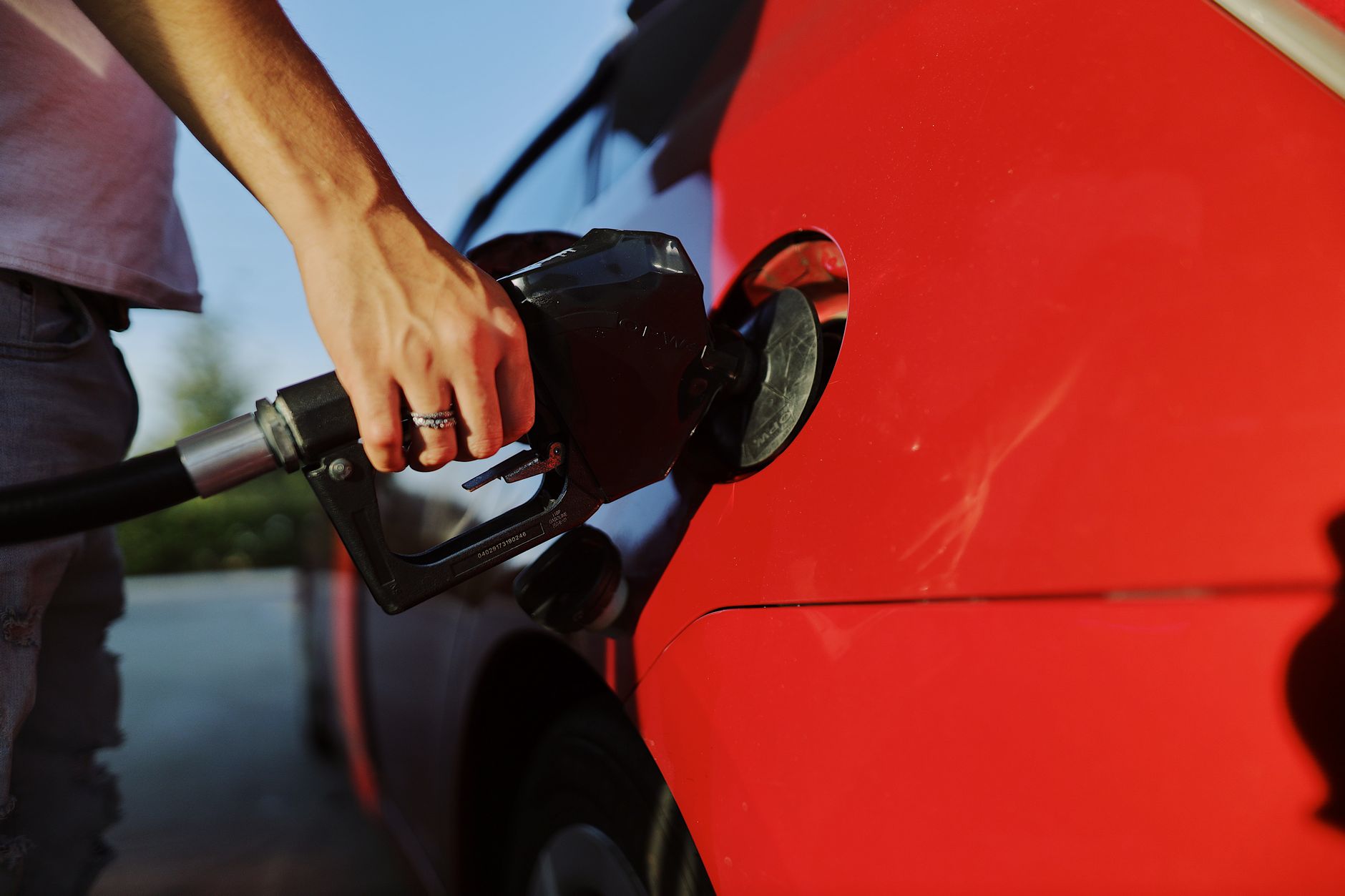
Featured image. Source: Pexels. Credit: Julia Avamotive. License: Pexels License.