STOXX 600 erases its weekly gain as the AI sell-off from Wall Street and Asia reaches Europe
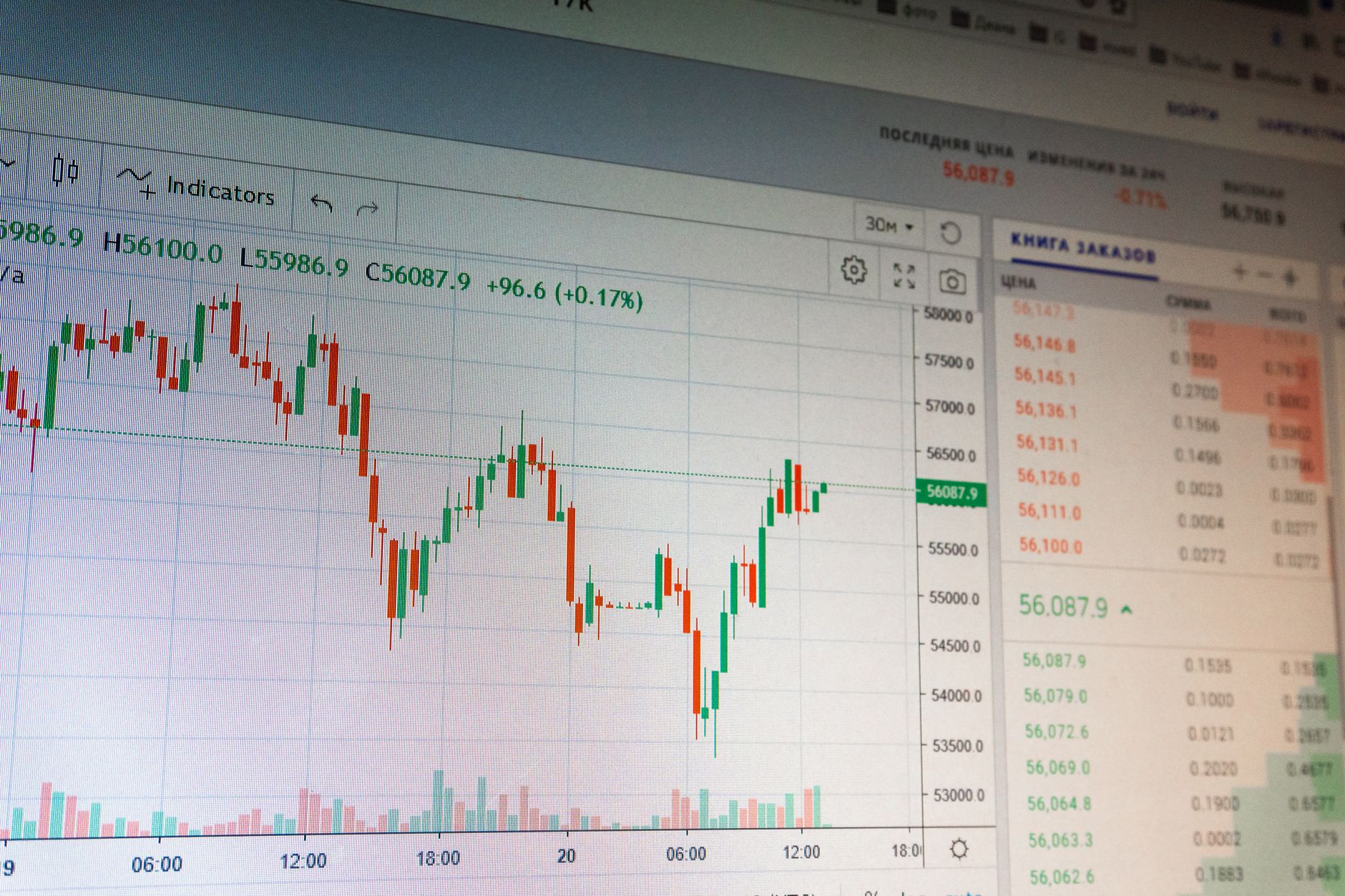
Europe’s lighter exposure to AI shares did not spare it on Friday: the index fell 1.6% in early trading, with investors weighing profit doubts and the Democrats' midterm win.
 By
Desmond Hallam
In brief
- The STOXX 600 lost 1.6% in early Friday trading, erasing its gains for the week.
- On Thursday the Nasdaq fell 5.52% and the S&P 500 dropped 4.4%.
- Seoul’s Kospi triggered a 20-minute trading halt after sliding as much as 8.8%.
- Investors are weighing AI profit doubts and the Democratic win in Congress.
A global sell-off in artificial intelligence stocks reached Europe on Friday, pulling the continent’s shares sharply lower after a rout on Wall Street and in Asia, Deutsche Welle reported.
Europe follows, despite lighter exposure
The pan-European STOXX 600 index dropped 1.6% in early trading, which wiped out everything it had gained during the week. Most major European markets fell by more than 1%, and media, healthcare and retail stocks led the declines.
The move marked a change of fortune. Earlier in the week, European markets had coped with the turbulence better than their Asian and US counterparts, because they hold fewer AI-related stocks. On Friday that cushion was not enough to keep them out of the sell-off.
The Wall Street shock behind the contagion
The trigger came on Thursday, when US markets were hammered by a sharp retreat in technology shares. The hardest hit were companies involved in building AI infrastructure, such as data centers.
Michael McCarthy, chief executive for Australia and New Zealand at online brokerage Moomoo, told Reuters: “It’s pretty clear there’s been a real shift in sentiment.”

Asia’s chip giants take the brunt
Japanese and South Korean shares tumbled after the Wall Street selloff. Asian technology heavyweights, among them Samsung Electronics, SK Hynix and Taiwan Semiconductor Manufacturing Company (TSMC), bore the brunt of the AI-related selling.
| Market or stock | Move reported |
|---|---|
| Tokyo’s Nikkei 225 | Down 5.5% in early trade |
| Seoul’s Kospi | Down as much as 8.8%, prompting a 20-minute circuit breaker |
| Taiwan’s TAIEX | Down more than 8% |
| Samsung Electronics | Down nearly 10% |
| SK Hynix | Down over 11% |
| Tokyo Electron | Down around 9% |
| Kioxia | Down 13% |
The circuit breaker in Seoul suspended trading for 20 minutes after the Kospi’s steep fall.
Two fears feeding the panic
The first concerns money. Investors are increasingly anxious about the colossal spending plans for AI and whether they will eventually yield commensurate profits. That question remains open.
The second is political. Democrats won control of both chambers of the US Congress in the midterm elections, which added to worries about possible curbs on AI data-center spending. Deutsche Welle describes this as an additional concern, not as the cause of the sell-off.
A number of Democratic governors-elect campaigned on slowing AI development. They promised to stop or pause the construction of data centers, as public opposition to such projects grows.
McCarthy also said that market turning points are often accompanied by strong disagreement, which shows up as huge swings in either direction. In his reading, Thursday’s emphatic sell-down suggests the direction in which markets are now headed. That is his interpretation as a broker, not an established outcome.
Photo: Max Bonda / Pexels